'/%3e%3cdefs%3e%3clinearGradient%20id='prefix__paint0_linear_4737_37157'%20x1='3.018'%20y1='23.6'%20x2='44.925'%20y2='24.977'%20gradientUnits='userSpaceOnUse'%3e%3cstop%20stop-color='%231CB7FF'/%3e%3cstop%20offset='.502'%20stop-color='%232FF58B'/%3e%3c/linearGradient%3e%3c/defs%3e%3c/svg%3e)


Chelsea, Sunderland and Nottingham Forest caught out as Premier League gambling ban bites
Jul 30 2026 18:47 · By Felix Keith/Senior Sports Reporter · 2 Reads


Three Premier League teams are poised to start the 2026/27 season without front-of-shirt sponsors after falling to navigate the market in the wake of a ban on gambling companies.
It was way back in April 2023 when Premier League clubs agreed to get rid of gambling companies on the front of their shirts. And yet Chelsea, Sunderland and Nottingham Forest have so far been unable to find a suitable replacement.
Obscure gambling companies had become part of the furniture of elite football, delighted to pay millions to for brand exposure - often in markets where gambling is illegal . Premier League sides were more than happy to accept their money - often worth double the offers from non-gambling companies - despite ethical concerns.
After mounting pressure, including from the government, that came to an end this summer . Eleven of the 20 teams in the Premier League last season had a gambling company emblazoned on their shirt. Three of those were relegated, leaving eight teams that needed to find a replacement this summer.
JOIN US ON FACEBOOK! Latest news, analysis and much more on Mirror Football's Facebook page
Six have been successful, but alongside Chelsea - who have had their own sponsor struggles in recent years - Sunderland and Forest look set to go sponsor-less 22 days before the season kicks off. Inside the commercial teams of Premier League clubs, gambling sponsors had been viewed as too good to turn down. They paid more than other companies and wanted less in return, acting as a simple billboard to millions of viewers.
While Aston Villa, Bournemouth, Brentford, Crystal Palace, Everton and Fulham managed to secure new sponsors, likely on reduced rates, Sunderland and Forest have held out. Sean Connell, editor of The Sponsor, an independent sponsorship research and valuation publication , believes they have become victim of " the most competitive and difficult sponsorship environment" in Premier League history. In short, commercial teams have been forced to do more work for less reward.
"It’s an incredibly competitive sponsorship market," he tells Mirror Football . "The number of brands willing to put their hands in their pocket and stump up £5m to £15m to sponsor a Premier League club is already significantly reduced due to factors outside the sports landscape.
View 4 Images

"Sponsors are under incredible amount of scrutiny to justify their expenditure. Then there's an unusually high number of teams in the market looking for a sponsor – in a normal year it might only be one or two, but it was 11 this summer.
"The gambling ban has taken what was already a shrinking pool of sponsors and removed a healthy chunk of those. It’s created what I believe is the most competitive and difficult sponsorship environment that Premier League clubs have ever faced."
The gambling ban has been looming for over three years and Connell believes some have been guilty of failing to burying their heads in the sand. Mirror Football contacted Chelsea, Sunderland and Nottingham Forest to request comment.
Arsenal – Emirates (Airline)
Aston Villa – Visit Rwanda (Tourism)
Bournemouth – Vitality (Insurance)
Brentford – Indeed (Employment)
Brighton – American Express (Bank)
Chelsea – NONE
Coventry – Monzo (Bank)
Crystal Palace – Temporal (Software platform)
Everton – CMC Markets (Financial services)
Fulham – ClickHouse (Technology)
Hull City – Corendon Airlines (Airline)
Ipswich – Halo (Software)
Leeds – Red Bull (Drinks)
Liverpool – Standard Chartered (Bank)
Manchester City – Etihad Airways (Airline)
Manchester United – Snapdragon (Electronics)
Newcastle – Knox (Sports drinks)
Nottingham Forest – NONE (previously Bally’s)
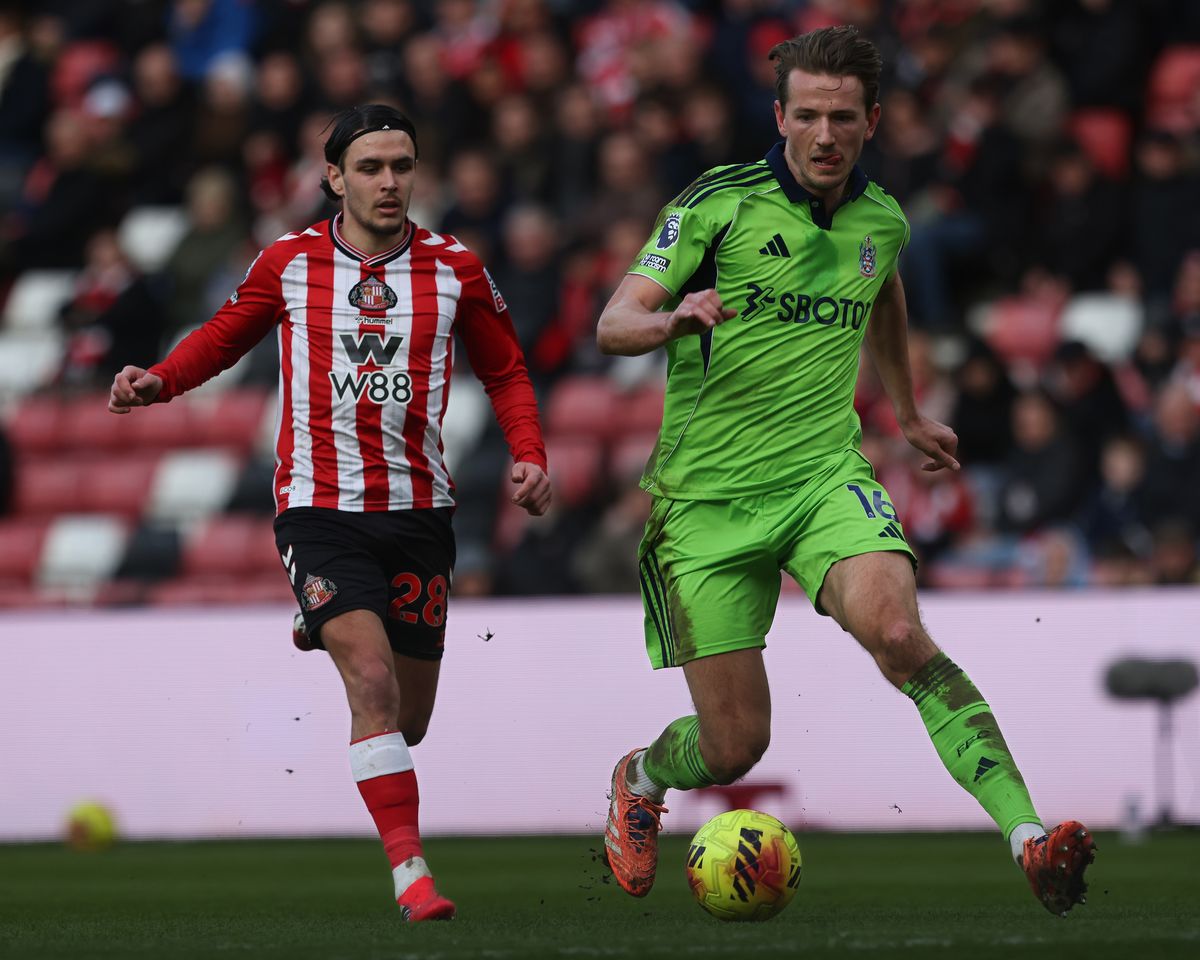
Sunderland – NONE (previously W88)
Tottenham – AIA (Insurance)
“The profits and revenue have been so much greater than they would have been that nobody has taken any meaningful strides to address this," Connell says. "They have continued to take the money while the sun shone. Now some like Forest and Sunderland are in a difficult position.
“I think the clubs have been waiting to see what the highest possible deal is at the last possible moment. For some clubs that strategy worked out, for others like Sunderland and Forest they have presumably determined that the value of the deal on the table is not adequate and that holding out rather than underselling is the best strategy.”
Chelsea's situation is different. Remarkably, the Blues have not had a permanent front‑of‑shirt sponsor since their deal with Three ended in 2023. In February they announced a front-of-shirt deal until the end of the season with AI technology company IFS, but are now once again sponsor-less.
View 4 Images

It has been reported that Chelsea have been holding out for £65m per season for their front-of-shirt sponsorship. Yet their 10th-place finish, and failure to secure any European football next season, appears to have damaged their chances.
While the gambling ban has undoubtedly impacted the revenues of Premier League clubs, particularly those outside the elite, who have more pulling power, it is a landmark moment in the league. R esearch in 2023 found that betting logos appear up to 3,500 times during TV games, a troubling reality for vulnerable people and gambling addicts.
Will Prochaska, director of the Coalition to End Gambling Ads (CEGA), said: “Andy Burnham has said we should 'relegate gambling sponsorship of sport to the history books' and we agree.
View 4 Images
“Fans will have little sympathy with clubs struggling to replace front-of-shirt gambling sponsors, and there's more than enough money in the game to ensure football can thrive without gambling revenues.
“Formula 1 cried foul that ending tobacco sponsorship would destroy the sport, but it's gone from strength to strength. Ridding football of its links to the gambling sector is an opportunity to turn a corner, not a burden.”
While gambling companies are still allowed on the sleeves of shirts in the Premier League, the gambling gold rush, when millions flowed into the game from obscure gambling entities operating via “white label” agreements with a company in the Isle of Man, are over. The results will be obvious come the first weekend of the season.